The Hernando County Clerk of Court is the official public office that manages court records, legal filings, and judicial documents for Hernando County, Florida. It works as a record-keeping authority for civil cases, criminal cases, traffic citations, probate files, and family court documents. The clerk of the court in Hernando County keeps these records organized and available for legal verification, case tracking, and public record requests. It also handles filing submissions from attorneys, residents, and government departments linked to county courts. Court data stored by this office supports accuracy in legal reporting and case history tracking. The office operates as a key administrative part of the county court system without deciding case outcomes.
People search for the Hernando County Clerk of the Court to find court case information, file legal paperwork, or check official records tied to local judicial matters. Many users also look for services such as marriage license records, traffic ticket payments, probate case details, and court fee information. The clerk’s office in Hernando County processes document filings for civil disputes, criminal records, and estate matters in an organized record system. It also maintains public access to certified records used for legal proof and background verification. The services support residents, attorneys, and researchers who need accurate court-related data from Hernando County records.
What is the Hernando County Clerk of Court?
The Hernando County Clerk of Court is the official office that manages court records, filings, and administrative support for the county court system. Hernando County Clerk of Court serves as a central hub for court administration and public record handling.
The office is led by the elected Clerk of Court for Hernando County, who is responsible for overall court administration, supervision of staff, and oversight of official record handling. In Hernando County, this position is currently held by Donna S. Lucal, who serves as the county’s Clerk of Court and Comptroller. She manages daily operations, supports judicial workflow, and oversees financial and record-keeping systems tied to the county court structure. Under this leadership, the clerk’s office maintains consistent processing of legal documents, public records management, and coordination with different divisions of the court system.
Role of Clerk’s Office in Court Administration
The county clerk works as a core part of court administration in https://hernandoclerk.com/ Hernando County. It supports daily court operations by handling case processing and official record tracking. The office connects different parts of the legal system through structured record management.
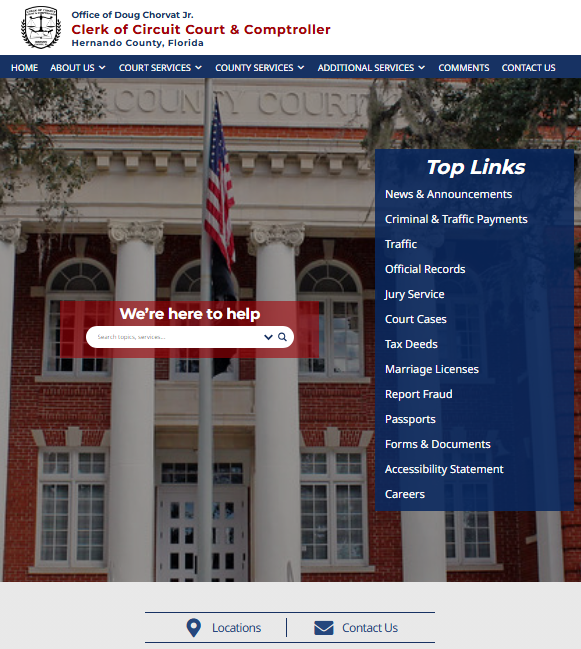
Responsibilities include:
- Filing and processing civil, criminal, and family court documents
- Scheduling and tracking court case records
- Supporting judges with case documentation
- Maintaining official court dockets and filings
- Managing fees, fines, and court-related payments
Next, the clerk’s office serves as a communication point between the public and the court system. It provides case status details and procedural information for filed matters. This function keeps court operations consistent and well-documented across all case types.
Legal Document Handling and Public Records Management
The Hernando County Clerk of Court handles a wide range of legal document handling tasks linked to court cases and county records. This includes storing, indexing, and preserving official legal files submitted to the court system.
Record categories managed include:
| Record Type | Description |
|---|---|
| Civil Case Files | Lawsuits, disputes, and claims |
| Criminal Records | Charges, hearings, and rulings |
| Probate Records | Estate and inheritance matters |
| Marriage Records | Official marriage licenses |
| Public Court Records | Open access case documents |
The office also manages public records management, giving residents structured access to approved court information. This supports transparency in county-level legal operations and helps maintain accountability in record-keeping.
Services Provided by the Clerk of Court
The Hernando County, Florida Clerk of Court provides key services like court record views, document filing, and public record requests. These offerings help residents manage their legal obligations and find the required case details.
The public records office handles thousands of documents yearly. From property deeds to traffic tickets, the staff processes each item with care. Anyone needing legal documents for a loan, background check, or court date will use these services. The clerk divides these duties into specific departments to serve people faster.
Court Records View
Finding past court cases requires a proper record search system. The clerk provides a case lookup process for the public. Users can search by name, date, or case number. Once they find a case, they can request certified copies. These official copies hold weight in legal matters, proving a ruling or filing occurred. The system covers civil, criminal, and traffic records.
Filing Court Documents
Submitting new cases involves different steps based on the type of law. Civil filings cover disputes between people or businesses, like evictions or small claims. Criminal filings deal with state charges against a person. Probate filings focus on wills and estates after someone passes away. Each category has specific rules for formatting and submission. The clerk accepts self-represented filings and attorney filings.
Public Records Services
The clerk acts as the main public records office for the county. Residents make record requests for property information, marriage records, and liens. The staff handles document retrieval quickly. They pull the requested files and provide copies for a small fee. This service keeps government operations open and honest. Official records date back several decades, giving researchers historical data.
Clerk Administrative Services
Behind the scenes, the clerk manages massive case loads. They provide docket updates to lawyers and citizens. This means they record every new motion, order, or judgment in the system. The office handles case tracking from the first filing to the final disposition. Case management software helps them track deadlines and court dates without missing a beat. The staff schedules hearings upon request from the judges.
How to Obtain Hernando County Court Records
Residents can retrieve Hernando County court records through the online portal or by visiting the public records office in person. The search process requires basic case details like names or case numbers. Finding the right case information demands the right tools. The clerk offers both digital and physical ways to find records. Knowing the correct path saves time and effort.
Steps Search Process
- Gather details: Collect the full name of the party or the case number.
- Choose a method: Decide between the online records system and an in-person visit.
- Enter search terms: Type the information into the search bar.
- Filter results: Narrow down the list by date or case type.
- Select the case: Click on the correct file to view details.
- Request copies: Choose plain or certified copies for printing.
Online vs. Offline Methods
The online records system provides instant results for most cases. Users can search from home at any time. This works well for basic case information retrieval. Offline methods involve visiting the courthouse. Some older records or sealed files require an in-person request. The clerk can search microfilm or physical books for historical data. Third-party websites might offer records, but the official clerk site provides the most accurate data.
Requirements for Record Searches
To get records, users must know at least one party’s name. Sealed or expunged records require a court order to view. Certified copies cost a small fee. The public records office restricts certain records, like juvenile cases, to protect privacy. Anyone requesting restricted records must show a valid ID. Some searches might need a written request submitted by mail.
Filing Court Documents in Hernando County
Filing court documents in Hernando County means submitting legal paperwork to the clerk’s office for civil, criminal, or probate cases. Filers must meet specific document requirements and follow strict submission procedures. Submitting papers to the court starts a legal action or responds to one. The clerk’s office reviews every document to make sure it follows state laws. Mistakes can lead to rejections, so paying attention to detail matters.
How to File Your Paperwork
The submission process begins with filling out the correct state-approved forms. Filers must sign the documents, often in front of a notary. Next, they submit the papers to the clerk. The clerk stamps the document, enters it into the system, and assigns a case number. This step officially records the legal action. Florida mandates e-filing for most attorney submissions.
Where to Submit Filings
Filers can bring their legal documents directly to the clerk’s front counter at the courthouse. They can mail the paperwork to the office. For those who prefer digital methods, the clerk offers an e-filing portal for certain case types. Each method requires including the proper payment for filing fees. Drop boxes exist for after-hours submissions.
Types of Filings Accepted
The clerk accepts many types of filings. Common civil filings include personal injury lawsuits and family law motions. Criminal filings come from the state attorney’s office after an arrest. Probate filings include petitions to administer an estate. Every filing must meet the document requirements, which include proper margins, font size, and attachments. Failing to meet the filing procedures results in a rejection, forcing the filer to start over. The clerk provides helpful packets for common self-represented filings.
Fees and Costs for Clerk Services
The clerk’s office charges filing fees and service charges for processing legal documents and record requests. Residents can pay these court fees in Hernando County using various payment methods. Running the clerk’s office requires funding, so the state sets specific fees for each service. These costs cover the labor of processing, scanning, and storing records. The fee schedule varies based on the type of transaction.
Typical Fee Schedule
- Civil Filing Fees: Cost varies based on the claim amount. Usually includes a base fee plus extra charges for counterclaims.
- Criminal Filing Fees: Paid by defendants upon conviction. Includes court costs and surcharges.
- Probate Filing Fees: Flat rate for opening an estate.
- Certified Copies: Small fee per page, plus a flat certification charge.
- Record Searches: Charged per name searched if staff does the work.
- Marriage Licenses: Set fee by the state, with a discount for completing a pre-marital course.
Payment Options Available
The clerk makes paying simple. They accept cash, personal checks, and money orders for in-person payments. Credit and debit cards are accepted at the counter and online. Online payments often include a small convenience fee from the payment processor. The office accepts exact change for cash transactions. Paying on time prevents late penalties or suspended licenses. People facing financial hardship can apply for a fee waiver by filing an affidavit of indigency.
Hernando County Clerk Case Management System
The case management system allows users to track docket information and receive court updates online. This digital tool keeps parties informed about their case progress. Modern court administration relies on digital tracking. The clerk uses advanced case management software to organize thousands of active files. This software connects judges, lawyers, and the public to the same data.
Tracking Your Case
The case tracking system lets users see every event in their case. They can view motions filed, hearings scheduled, and orders signed. This system updates every night, giving users the latest docket information. Lawyers and self-represented citizens use this tool to prepare for court. The system offers a secure login for attorneys to view private case details.
Receiving Court Updates
Users can sign up for automated alerts. When a new document hits the file, the system sends an email. These court updates prevent surprises. Missing a court date can lead to a warrant, so these alerts provide real value. The software flags approaching deadlines, helping lawyers manage their time better. The case management tool reduces paper waste and speeds up the entire judicial workflow.
Contact Information for Clerk of Court
Residents can contact the Hernando County clerk’s office by phone, email, or in-person visits during standard office hours. The staff helps with case questions and document requests. Sometimes people need direct help from a human. The clerk’s office provides multiple ways to get in touch. Calling the right department saves time.
Phone and Email Support
Calling the Hernando County clerk contact line connects residents with a deputy clerk. The main phone number is (352) 754-4201. Callers can ask about case statuses, fines, or hearing dates. The phone number context matters; callers should have their case number ready to speed up the service. Emails work well for general questions that do not require immediate answers.
Visiting the Office
The physical address is 20 N Main St, Brooksville, FL 34601. Office hours run Monday through Friday, 8:00 AM to 5:00 PM. Visitors use the address for dropping off documents or paying fines in person. Arriving early helps avoid long lines, especially on busy motion days. The staff asks visitors to dress appropriately for a courthouse setting. Security screenings happen at the entrance.
Online Services Provided by Clerk’s Office
The clerk’s office offers online services that let users submit court filings online and search official records digitally. This online portal provides quick remote capabilities. The internet changed how people interact with the government. The clerk offers digital entry to many services without leaving home. This shift helps busy citizens handle legal tasks outside normal business hours.
Using the Online Portal
The official online portal gives residents 24/7 access to public records. Users can search the official records index for property deeds, liens, and marriage licenses. They can view documents and print them directly from their computers. The portal accepts payments for traffic tickets and court fines.
Digital Filing Options
Lawyers and citizens can submit court filings online through the statewide e-filing system. This system routes the documents straight to the clerk’s inbox. The clerk reviews the file and returns an acceptance notice. This method saves time, postage, and gas. Digital tools streamline the entire legal process for busy professionals and everyday citizens. The system sends a timestamp confirmation, proving the exact moment of filing.
Common Issues and How to Resolve Them
Users sometimes face issues viewing court records or filing errors when working with the clerk’s office. These problems often require troubleshooting steps or document correction requests. Even the best systems have hiccups. Knowing how to fix common problems saves time and frustration. The clerk provides resources to help users overcome these roadblocks.
Fixing Filing Errors
Filing errors happen when paperwork lacks a signature or includes the wrong fee. The clerk will reject the document. Filers must fix the mistake and resubmit the paperwork. They can often correct minor errors right at the counter. For larger issues, they might need to file a motion with the judge. Reading the local rules prevents most of these rejections.
Troubleshooting Record Searches
Court records view issues often stem from misspelled names or wrong birthdates. Users should try different name spellings during troubleshooting. If an online search fails, visiting the courthouse might work. Some records take days to appear in the system after filing. Users needing document correction on a previously filed paper must submit an affidavit or a new motion to amend the record. The clerk staff can point people to the right forms for these corrections.
(FAQ) About the Clerk of Court
The Hernando County Clerk of Court FAQs section provides clear answers to common clerk office questions related to court records, filing needs, and case searches. It helps users check eligibility rules, processing time, and record availability in a simple format.
What does the Hernando County Clerk of Courts handle?
The Hernando County Clerk of Court handles court records, case filings, and public document requests. It manages civil, criminal, probate, and traffic-related court information. The office also processes marriage licenses, court payments, and official record storage. Users often check this office for case status updates and document copies. Record access depends on case type and legal rules.
Who can request records from the clerk’s office?
Most public records can be requested by any person without special approval. These include open court cases, traffic records, and basic filing details. However, sealed cases, juvenile files, and restricted documents cannot be shared without legal permission. Certified copies may require identification and processing fees depending on the request type.
What is the processing time for record requests?
Processing time depends on the type of record and how it is stored. Online case searches usually show results within a few minutes for recent filings. Certified copies or archived files may take longer due to manual review. Older court records often require extra retrieval steps from storage systems or physical archives.
What types of records are available?
The clerk office provides access to several types of records based on public availability. These include civil cases, criminal cases, probate files, traffic citations, and marriage records. Some records remain fully public, while others are restricted under Florida court rules. Availability depends on case status and legal classification.
How can users search court records?
Users can search records through online databases, mail requests, or in-person visits. The online system allows case number or name-based searches for faster results. Search results may include case status, filing details, and court activity history. Older files may require additional time if stored in archived systems.